
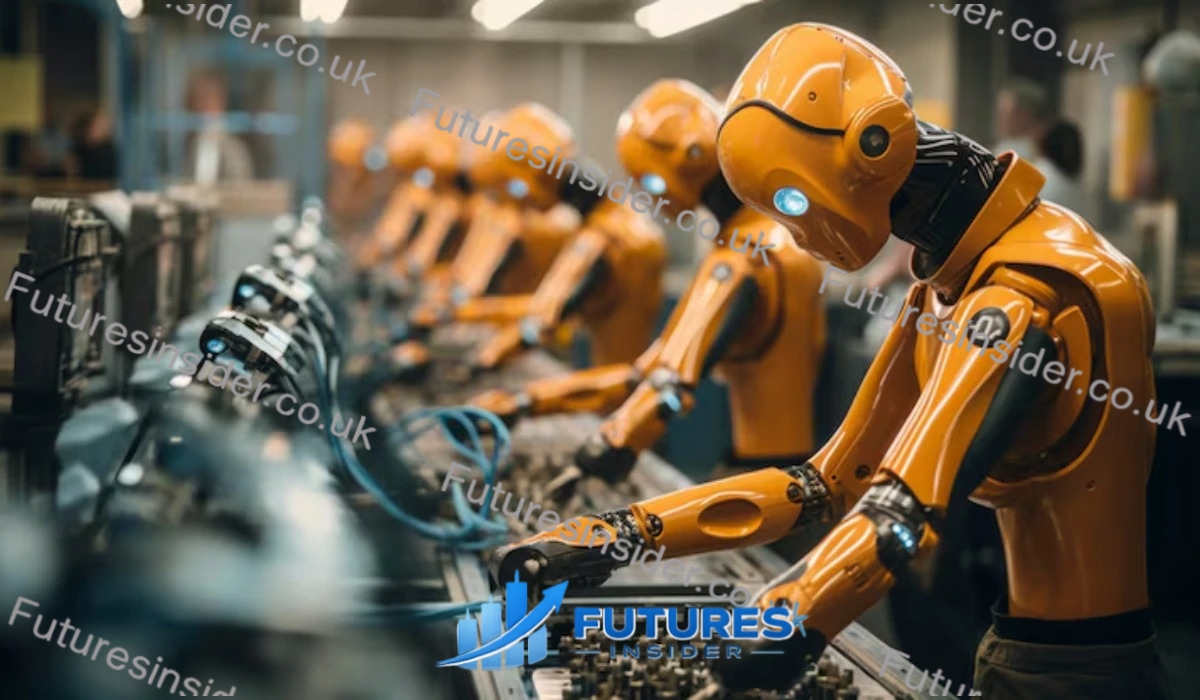
The world of technology is advancing at an incredible pace, and robotics has become one of the most exciting fields of innovation. As automation and artificial intelligence continue to transform industries, many people are searching for terms related to robotics, including ponas robotas. Whether you are a student, a technology enthusiast, or simply curious about modern innovations, understanding the concept behind ponas robotas can provide valuable insight into the future of intelligent machines.
In recent years, robotics has expanded far beyond industrial factories. Robots are now helping in hospitals, schools, warehouses, homes, and even space exploration. This rapid growth has increased public interest in robotics-related topics, making ponas robotas a keyword that continues to attract attention online.
Understanding Ponas Robotas
The phrase ponas robotas has generated curiosity among internet users looking for information about robotics, automation, and intelligent systems. Although the keyword may appear in different contexts across the web, it is commonly associated with modern robotic technology and the growing role of automated machines in everyday life.
Today, robots are designed to complete tasks with speed, precision, and consistency. Many of them combine advanced software, sensors, cameras, and artificial intelligence to perform jobs that once required human effort.
As robotic technology becomes more accessible, searches for ponas robotas continue to grow among people interested in learning about these innovations.
The Evolution of Robotics
Robotics has experienced remarkable development over the last several decades. Early robotic systems were relatively simple machines programmed to perform repetitive manufacturing tasks. While they improved production efficiency, they had limited flexibility.
Modern robots are significantly more advanced. They can recognize objects, analyze data, respond to environmental changes, and even learn from previous experiences using machine learning algorithms.
The combination of robotics with artificial intelligence has opened opportunities that were once considered impossible. Robots are becoming more adaptable, intelligent, and capable of assisting humans in increasingly complex situations.
Why Robotics Is Becoming More Important
Technology companies and organizations around the world continue investing heavily in robotics because automated systems offer numerous advantages.
Some of the major reasons include:
- Increased workplace efficiency
- Improved product quality
- Faster production
- Enhanced workplace safety
- Reduced operational costs
- Greater accuracy
- Continuous performance
- Support for difficult or dangerous tasks
As these benefits become more widely recognized, public interest in robotics continues growing.
Applications of Modern Robots
Robots now serve many industries, demonstrating their versatility and value.
Manufacturing
Manufacturing remains one of the largest users of robotics. Automated machines assemble products, inspect quality, package goods, and transport materials with impressive accuracy.
Healthcare
Hospitals use robotic systems during surgical procedures, rehabilitation therapy, patient monitoring, and laboratory testing. These technologies improve precision while supporting healthcare professionals.
Agriculture
Modern farms increasingly rely on robots for planting, harvesting, monitoring crop health, and managing irrigation systems. Automation helps improve productivity while reducing labor-intensive work.
Education
Educational robotics programs teach students programming, engineering, mathematics, and creative problem-solving through hands-on learning experiences.
Warehousing and Logistics
Large distribution centers use robots to organize inventory, transport products, and prepare customer shipments quickly and efficiently.
Home Assistance
Consumer robots now help with vacuum cleaning, lawn maintenance, security monitoring, and various household activities.
These examples highlight how robotics has become part of everyday life.
Artificial Intelligence Makes Robots Smarter
Artificial intelligence is one of the most significant technologies driving modern robotics.
Traditional robots followed fixed programming without adapting to changing situations. AI-powered robots can process information, recognize patterns, make predictions, and improve performance through continuous learning.
Machine learning allows robots to become more efficient over time by analyzing previous experiences and adjusting their actions accordingly.
This combination creates intelligent systems capable of performing increasingly sophisticated tasks.
Benefits of Smart Robotics
The popularity of ponas robotas reflects the growing recognition of robotics’ many advantages.
Higher Productivity
Robots operate continuously without fatigue, allowing businesses to complete more work within shorter timeframes.
Improved Accuracy
Automated systems reduce human error, ensuring consistent quality across production processes.
Enhanced Safety
Robots perform hazardous tasks in dangerous environments, protecting workers from unnecessary risks.
Long-Term Cost Efficiency
Although robotics requires initial investment, automation often lowers long-term operating expenses through improved productivity and reduced mistakes.
Better Customer Service
Many businesses use intelligent robotic systems to provide faster responses, improve logistics, and deliver more reliable services.
Learning Robotics
Anyone interested in ponas robotas can begin exploring robotics through educational resources available online and offline.
A good starting point includes learning:
- Basic programming
- Electronics
- Mechanical engineering
- Artificial intelligence
- Sensor technology
- Automation systems
Practical projects help learners understand how robotic components interact and solve real-world problems.
Many educational robotics kits make learning enjoyable for beginners while providing valuable technical experience.
Challenges Facing Robotics
Despite impressive progress, robotics still faces several important challenges.
Developing advanced robotic systems requires significant research, engineering expertise, and financial investment.
Engineers must also address issues such as:
- Cybersecurity
- Data privacy
- Ethical AI decisions
- Human-robot collaboration
- Energy efficiency
- System reliability
Responsible development remains essential as robots become more integrated into society.
The Future of Robotics
Experts believe robotics will continue evolving rapidly during the coming years.
Future robotic systems may include:
- More natural conversations
- Advanced emotional recognition
- Improved mobility
- Greater independence
- Enhanced teamwork with humans
- Smarter learning capabilities
- Better environmental awareness
- Increased personalization
These developments could transform transportation, education, healthcare, agriculture, and countless other industries.
Why People Search for Ponas Robotas
There are several reasons behind the increasing popularity of ponas robotas.
Some users are researching robotics for educational purposes, while others are interested in automation trends affecting businesses and careers.
Technology enthusiasts often explore new developments in artificial intelligence, machine learning, and smart robotics to stay informed about emerging innovations.
As robots become more visible in everyday life, public curiosity naturally continues to grow.
Robotics and Everyday Life
Many people already interact with robotic technology without realizing it.
Automated checkout systems, warehouse robots, robotic vacuum cleaners, medical equipment, smart manufacturing machines, and AI-powered assistants all demonstrate how robotics has become integrated into daily routines.
This widespread adoption ensures robotics will remain one of the most influential technological fields for decades to come.
Final Thoughts
The growing interest in ponas robotas reflects the worldwide fascination with robotics and intelligent automation. Modern robots are transforming industries by improving efficiency, increasing safety, and helping people accomplish tasks that were once difficult or impossible.
As artificial intelligence and robotics continue advancing together, their impact on society will become even greater. Businesses, educational institutions, healthcare organizations, and consumers will all benefit from smarter, faster, and more capable robotic systems. see more