
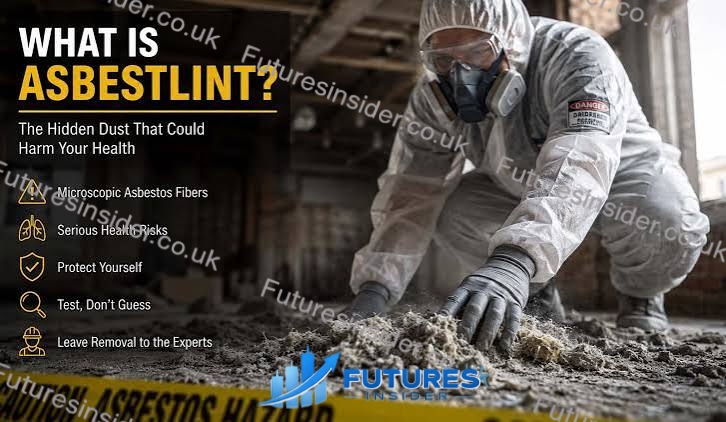
Introduction to Asbestlint
The keyword asbestlint is closely associated with asbestos-related materials, fibers, and dust that can appear during construction, demolition, or renovation work. Although the term is not widely used in formal scientific literature, it is generally understood as referring to fine asbestos lint-like particles or residues that may become airborne when asbestos-containing materials are disturbed.
Understanding asbestlint is important because asbestos exposure is a serious health concern. Many older buildings still contain asbestos in insulation, roofing, flooring, and cement products. When these materials break down, they can release microscopic fibers into the air, creating potential health hazards.
This article explains what asbestlint is, why it is dangerous, how exposure occurs, and how to stay safe.
What is Asbestlint?
Asbestlint refers to fine, lint-like fibers or dust particles that originate from asbestos-containing materials. These fibers are extremely small and cannot be seen easily with the naked eye.
Asbestos itself is a naturally occurring mineral once widely used in construction due to its:
- Heat resistance
- Strength
- Durability
- Insulating properties
However, when asbestos materials degrade or are disturbed, they release tiny fibers into the air. These fibers can accumulate as dust or lint-like particles, commonly referred to as asbestlint in informal usage.
Where Does Asbestlint Come From?
Asbestlint can be found in environments where asbestos materials were used in the past. Common sources include:
1. Old Buildings
Many buildings constructed before the 1990s contain asbestos in:
- Ceiling tiles
- Pipe insulation
- Roof shingles
- Wall panels
2. Renovation and Demolition Sites
When workers cut, drill, or remove asbestos materials, fibers are released into the air.
3. Damaged Insulation
Cracked or aging insulation can release asbestos dust over time.
4. Industrial Sites
Factories that once used asbestos materials may still have contaminated dust.
Why Asbestlint is Dangerous
Asbestlint is hazardous because it contains microscopic asbestos fibers that can be inhaled easily. Once inhaled, these fibers can remain in the lungs for years.
Health Risks Include:
1. Asbestosis
A chronic lung disease caused by long-term asbestos exposure, leading to breathing difficulties and lung scarring.
2. Lung Cancer
Exposure to asbestos fibers significantly increases the risk of lung cancer, especially in smokers.
3. Mesothelioma
A rare but aggressive cancer affecting the lining of the lungs or abdomen, strongly linked to asbestos exposure.
4. Pleural Diseases
These include thickening or fluid buildup around the lungs, causing chest pain and breathing issues.
The danger of asbestlint lies in its invisibility and long-term impact. Symptoms may take decades to appear.
How Exposure to Asbestlint Occurs
People may be exposed to asbestlint in several ways:
- Breathing contaminated air during renovation work
- Living in old houses with damaged asbestos materials
- Working in construction or demolition industries
- Improper removal of asbestos without safety equipment
- Disturbing old insulation or building materials
Even short-term exposure can be harmful if fiber levels are high.
Signs of Asbestos Contamination
It is not always easy to detect asbestlint, but some warning signs include:
- Dust from old insulation materials
- Crumbling ceiling or wall materials
- Visible deterioration in old building components
- Construction debris in older properties
- Suspicious fibrous dust in work areas
However, only professional testing can confirm asbestos presence.
Safety Measures to Avoid Asbestlint Exposure
Preventing exposure to asbestlint is extremely important. Here are essential safety measures:
1. Do Not Disturb Suspected Materials
If you think a material contains asbestos, avoid touching or breaking it.
2. Hire Licensed Professionals
Only certified asbestos removal experts should handle asbestos-containing materials.
3. Use Protective Equipment
Workers should use:
- Respirators
- Protective clothing
- Gloves
- Sealed containment systems
4. Proper Ventilation Control
Work areas should be sealed to prevent fiber spread.
5. Regular Inspections
Old buildings should be inspected for asbestos risks.
How Asbestlint is Removed Safely
Asbestos removal is a highly regulated process. Professionals follow strict steps:
Step 1: Inspection and Testing
Samples are taken and tested in laboratories.
Step 2: Site Isolation
The contaminated area is sealed to prevent fiber spread.
Step 3: Wet Removal Method
Materials are sprayed with water to reduce dust.
Step 4: Safe Disposal
Asbestos waste is sealed in special containers and disposed of in approved facilities.
Step 5: Air Monitoring
Air quality is tested after removal to ensure safety.
Legal Regulations Around Asbestos
Many countries have strict laws regarding asbestos handling due to its dangers. Regulations typically include:
- Ban on new asbestos use
- Licensing requirements for removal
- Safety training for workers
- Controlled disposal methods
- Regular building inspections
These laws are designed to protect both workers and the general public from exposure to asbestlint.
Who is Most at Risk?
Certain groups face higher risks of exposure:
- Construction workers
- Demolition crews
- Renovation contractors
- Factory workers in older industrial sites
- Maintenance staff in old buildings
Homeowners renovating old properties may also be at risk if proper precautions are not taken.
Preventing Long-Term Health Effects
Since asbestos-related diseases develop slowly, prevention is the best protection.
Key prevention strategies include:
- Early identification of asbestos materials
- Safe handling procedures
- Regular medical checkups for exposed individuals
- Avoiding DIY removal of suspected asbestos
- Awareness and training programs
Future Outlook and Awareness
With increasing awareness, many countries are moving toward complete asbestos removal from older infrastructure. Advanced technologies are also being developed to detect asbestos fibers more accurately and remove them safely.
The concept of asbestlint highlights the importance of understanding microscopic environmental hazards that are not visible but can have long-term health consequences.
Conclusion
Asbestlint refers to fine asbestos fibers or dust that can become airborne when asbestos-containing materials are disturbed. Although invisible, these particles are extremely dangerous and can lead to serious health conditions such as asbestosis, lung cancer, and mesothelioma.
Understanding where asbestlint comes from and how to prevent exposure is essential for anyone living or working in older buildings. With proper safety measures, professional handling, and awareness, the risks associated with asbestos can be significantly reduced. see more