
Introduction
The keyword gondolákgondolák has attracted the curiosity of travelers, culture enthusiasts, and history lovers alike. While the word may appear unusual at first glance, it is closely connected with the fascinating world of traditional gondolas and their cultural significance. Gondolas are more than just elegant boats—they are iconic symbols of craftsmanship, heritage, and romance, particularly in the historic canals of Venice.
In this article, we will explore the meaning of gondolákgondolák, the history of gondolas, their cultural importance, how they are built, and why they continue to capture the imagination of millions of visitors every year.
What Does Gondolákgondolák Mean?
The term gondolákgondolák is believed to originate from the Hungarian word “gondolák,” which is the plural form of “gondola.” Although the repeated wording may result from search trends or online indexing, it generally refers to multiple gondolas or information related to these famous watercraft.
People searching for gondolákgondolák are often interested in learning about Venetian gondolas, their history, tourism experiences, or cultural significance.
The Rich History of Gondolas
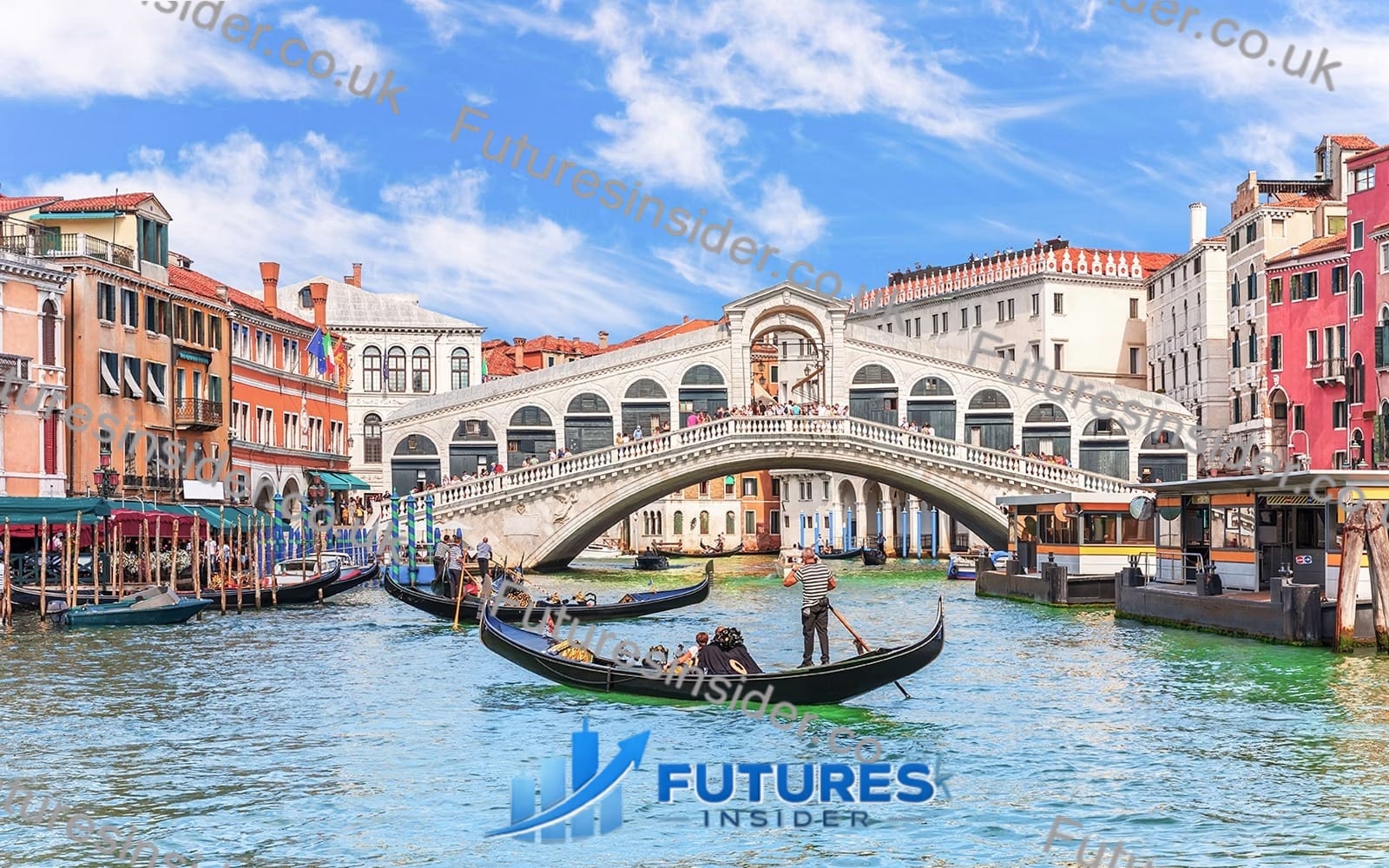
Gondolas have been an essential part of Venice for nearly one thousand years. During the Middle Ages, they served as the primary transportation method for merchants, nobles, and ordinary citizens. Before modern roads and bridges connected different parts of the city, canals were the main routes for daily travel.
Over time, the gondola evolved from a practical transport vessel into one of the world’s most recognizable cultural icons. Today, although water buses and motorboats have replaced them for everyday transportation, gondolas remain an unforgettable symbol of Venice’s heritage.
Unique Design and Engineering
One of the most fascinating aspects of gondolákgondolák is the remarkable engineering behind every gondola.
Unlike ordinary boats, a traditional gondola is intentionally asymmetrical. One side is slightly longer than the other, allowing the boat to move in a straight line despite being rowed by a single gondolier.
Each authentic gondola is handcrafted using several different types of wood, including oak, cherry, walnut, elm, and larch. The construction process requires incredible precision and often takes several months to complete.
Every component is carefully shaped by skilled artisans who preserve techniques that have been passed down through generations.
The Role of the Gondolier
A gondola would not be complete without its gondolier. These highly trained professionals navigate Venice’s narrow canals with remarkable skill and balance.
Becoming a licensed gondolier is far from easy. Candidates must complete extensive training that includes:
- Navigation techniques
- Venetian history
- Customer service
- Foreign language skills
- Safety regulations
Many gondoliers also entertain passengers with stories about Venice, pointing out famous landmarks and sharing local traditions during the journey.
Gondolas as a Cultural Symbol
The popularity of gondolákgondolák extends far beyond transportation. Gondolas have become powerful cultural symbols representing elegance, romance, and Italian heritage.
They frequently appear in:
- Romantic films
- Travel magazines
- Paintings
- Photography
- Literature
- Luxury tourism campaigns
For countless couples, a gondola ride through Venice is considered one of the most romantic experiences in the world.
Why Tourists Love Gondola Rides
Millions of tourists visit Venice every year, and riding a gondola remains one of the city’s most popular attractions.
Several factors make the experience unforgettable:
Peaceful Atmosphere
Unlike motorboats, gondolas glide quietly across the canals, creating a calm and relaxing journey.
Historical Perspective
Passengers experience Venice from the same waterways that residents have used for centuries.
Incredible Architecture
A gondola ride offers unique views of historic buildings, charming bridges, hidden canals, and beautiful palaces that cannot be fully appreciated on foot.
Memorable Experience
Whether traveling alone, with family, or as a couple, riding a gondola creates lasting memories that many visitors treasure forever.
Craftsmanship Behind Every Gondola
The creation of a traditional gondola remains one of Italy’s finest examples of artisan craftsmanship.
Only a small number of workshops continue producing authentic gondolas by hand. Each vessel includes hundreds of individual wooden components assembled with exceptional precision.
Even the decorative iron piece attached to the front of the gondola has symbolic meaning. Its distinctive shape represents various districts of Venice while also helping balance the boat’s weight.
This dedication to quality explains why authentic gondolas are highly valued worldwide.
Modern Gondolas in Tourism
Although modern transportation has changed Venice significantly, gondolas continue to play a vital role in tourism.
Today’s gondolas are primarily used for:
- Sightseeing tours
- Wedding photography
- Anniversary celebrations
- Romantic proposals
- Cultural events
- Luxury travel experiences
The city carefully regulates gondola operations to preserve authenticity and maintain high service standards.
Interesting Facts About Gondolákgondolák
Here are some fascinating facts about gondolákgondolák:
- A traditional gondola is approximately 11 meters long.
- It weighs around 350 kilograms.
- Each gondola is handcrafted rather than mass-produced.
- Construction can require several months of skilled labor.
- Every gondola is painted black, following historical regulations introduced centuries ago.
- Professional gondoliers undergo rigorous licensing before operating commercially.
These details demonstrate why gondolas remain among the world’s most respected traditional boats.
The Future of Gondolas
As Venice faces challenges such as rising tourism and environmental concerns, preserving traditional gondolas has become increasingly important.
Local craftsmen, cultural organizations, and city authorities continue working together to protect this remarkable heritage. New generations are being trained in both gondola construction and professional navigation, ensuring that future visitors can continue experiencing this timeless tradition.
Sustainable tourism initiatives also encourage responsible travel practices that help preserve Venice’s delicate waterways.
Why Gondolákgondolák Continues to Trend Online
The increasing popularity of the keyword gondolákgondolák reflects growing global interest in cultural tourism. Travelers increasingly seek authentic experiences rather than ordinary vacations.
People searching for this keyword often want to learn about:
- Venetian history
- Traditional boat craftsmanship
- Romantic travel ideas
- Cultural landmarks
- European tourism
- Historic transportation
As online travel research continues expanding, unique keywords like gondolákgondolák help connect curious readers with valuable information about one of the world’s most iconic traditions.
Conclusion
The story of gondolákgondolák goes far beyond a simple keyword. It represents centuries of history, extraordinary craftsmanship, cultural identity, and unforgettable travel experiences. From the skilled artisans who build each gondola by hand to the experienced gondoliers guiding visitors through Venice’s enchanting canals, every aspect reflects a deep respect for tradition.
Whether you are planning a future trip to Venice or simply exploring the fascinating history of these elegant boats, understanding gondolákgondolák offers valuable insight into one of Europe’s most treasured cultural symbols. see more